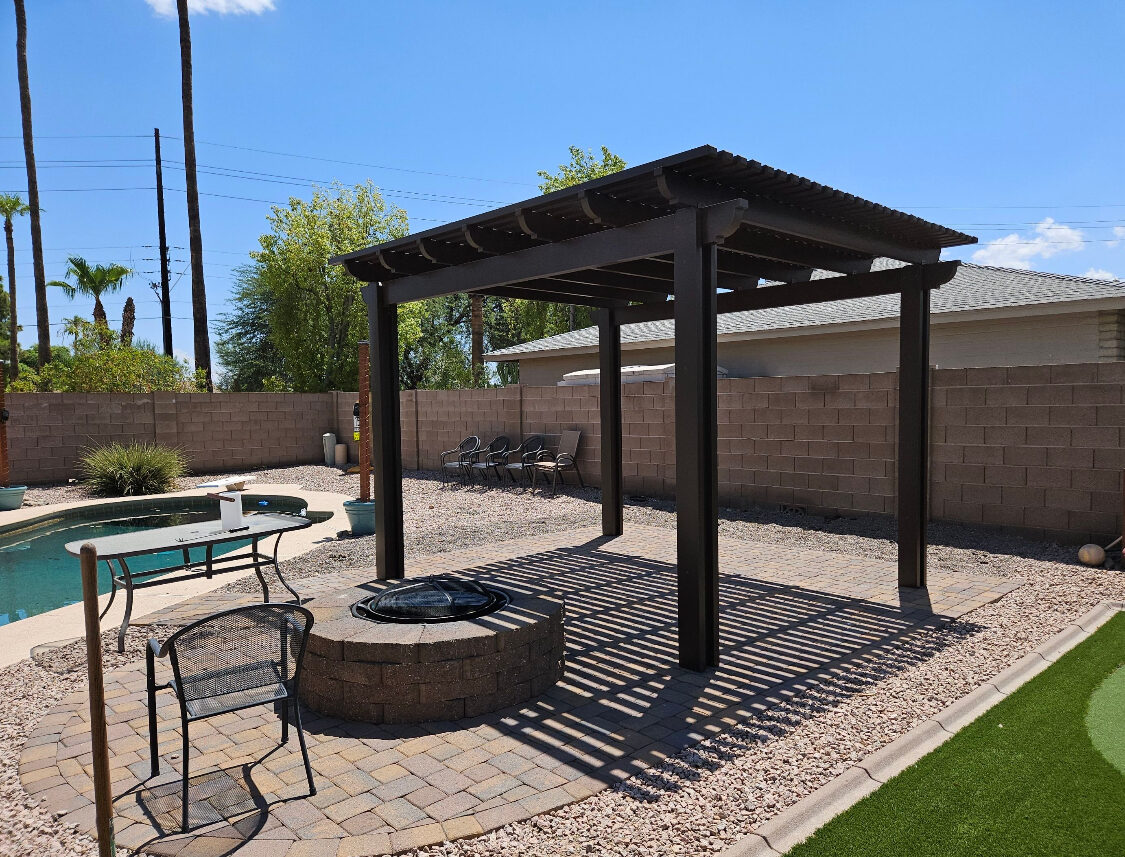
The Ultimate Guide to Choosing Pavers That Stay Cool in Arizona Heat

patio sun shades phoenix

When summer temperatures in Arizona regularly climb past 115 degrees, choosing the best pavers for hot climates isn’t just about aesthetics. It’s about creating outdoor surfaces that won’t burn bare feet or become too uncomfortable to enjoy. The right paving materials can make the difference between a backyard that sits empty all summer and an outdoor living space your family actually uses.

We’ll walk you through everything you need to know about heat-resistant pavers that perform beautifully in extreme temperatures while staying cool underfoot. From material selection to installation considerations, you’ll learn exactly what makes certain pavers ideal for Arizona’s intense heat.

Why Heat Resistance Matters for Arizona Pavers

Arizona’s extreme heat creates unique challenges for outdoor materials. Direct sunlight and constant sun exposure cause most surfaces to absorb and retain heat, creating uncomfortably hot surfaces. Surface temperature on dark materials can reach 150 degrees or higher during summer months.

Heat buildup affects more than just comfort. Materials that trap heat deteriorate faster under harsh weather conditions. Thermal expansion and contraction from extreme temperature swings can cause cracking, warping, and structural damage. Dense materials that absorb solar radiation release that heat slowly, keeping outdoor areas uncomfortable well into the evening.

The solution lies in choosing pavers designed specifically to withstand high temperatures while minimizing heat absorption. Heat-resistant materials reflect sunlight rather than absorbing it, keeping surface temperature lower even in intense heat.

Best Pavers for Hot Climates: Top Material Options

Not all paving materials perform equally in extreme heat. The best pavers for hot climates combine natural cooling properties with durability to withstand extreme temperatures year after year.

Travertine Pavers: Natural Coolness

Travertine pavers are the gold standard for staying cool underfoot in hot regions. This natural stone features a porous structure that doesn’t retain heat like concrete and natural stone alternatives. The material’s light color naturally reflects heat rather than absorbing it.

Travertine’s surface stays significantly cooler than other materials in direct sunlight. Even during Arizona’s hottest days, travertine remains comfortable for bare feet. The natural beauty of travertine adds elegance to pool decks and outdoor living areas while providing exceptional heat-resistant properties.

Porcelain Pavers: Modern Heat Resistance

Porcelain pavers represent the newest advancement in heat-resistant materials. These engineered pavers can withstand extreme temperatures while staying remarkably cool underfoot. Porcelain reflects heat more effectively than most natural stone options.

Manufacturing processes create incredibly durable surfaces that resist heat absorption. Light-colored porcelain pavers keep surface temperature lower than concrete pavers or darker alternatives. They’re particularly effective in areas with constant sun exposure where other materials would become uncomfortably hot.

Concrete Pavers: Versatile and Heat-Smart

Concrete pavers deserve consideration when choosing the best pavers for hot climates, especially when properly selected. Light gray and other light-colored concrete pavers reflect sunlight effectively. Modern concrete formulations include heat-resistant additives that reduce surface temperature.

The key to concrete paver success in extreme heat is color selection. Darker concrete traps heat and becomes uncomfortably hot. Light-colored pavers with reflective coatings stay much cooler. Textured surfaces help too, creating slight air gaps that reduce heat transfer.

Limestone Pavers: Classic Heat Performance

Limestone pavers combine natural beauty with solid heat resistance. This natural stone performs well in hot weather without retaining excessive heat. The material’s composition allows it to resist heat buildup better than darker stones.

Limestone handles Arizona’s weather elements effectively. The stone withstands extreme weather conditions including intense heat, monsoon rains, and occasional freeze-thaw cycles in higher elevations. Its durability means minimal upkeep over decades of use.

Key Features That Keep Pavers Cool

Understanding what makes pavers heat-resistant helps you make better choices for your outdoor project. Several factors work together to determine how hot a surface gets in extreme temperatures.

Color Selection and Heat Reflection

Surface color dramatically impacts temperature. Light-colored pavers reflect sunlight and solar radiation rather than absorbing it. This keeps surface temperature significantly lower than dark materials. Studies show light-colored surfaces can be 20-30 degrees cooler than dark ones.

The best color choices for hot climates include light gray for versatile design options, beige and cream tones for natural warmth, white or off-white for maximum heat reflection, and pale tan shades that blend with desert landscapes. Color affects more than just the paver surface itself. Lighter colors reduce heat buildup in surrounding areas too, creating a more comfortable microclimate in your outdoor living space.

Texture and Surface Treatment

Surface texture influences both heat perception and safety. Smooth surfaces feel hotter than textured ones, even at identical temperatures. Texture creates small air pockets that insulate feet from direct contact with hot material.

Slip-resistant texture serves dual purposes in hot climates. The rougher surface stays cooler to touch while preventing slippery surfaces around pools and water features. Some manufacturers apply special coatings or treatments that enhance heat-resistant properties by increasing reflectivity without changing appearance.

Proper Installation for Heat Management

Even the best heat-resistant materials need proper installation to perform optimally. Professional installation ensures adequate drainage systems that prevent water pooling and reduce moisture retention. Good drainage is critical in desert environments where intense heat follows monsoon rains.

The base layer affects heat performance too. Crushed stone bases allow air circulation that helps dissipate heat. Proper compaction creates stability while maintaining drainage. These installation details significantly impact long-term performance in extreme weather conditions.

Comparing Pavers to Other Outdoor Materials

Pro Tip: Before committing to any outdoor surface material, visit showrooms on hot afternoons to feel temperature differences firsthand. Touch samples that have been sitting in direct sunlight to experience how various materials perform in real Arizona heat.

Pavers outperform many other materials for Arizona outdoor surfaces. Wood decks absorb heat and can warp or crack under extreme temperatures. Composite decking products often become uncomfortably hot in direct sunlight despite marketing claims about heat resistance.

Poured concrete presents challenges too. Large concrete slabs retain more heat than individual pavers. Concrete also lacks the natural beauty and design flexibility of stone pavers.

MaterialHeat ResistanceDurabilityMaintenanceCost Range
TravertineExcellentVery HighLow$$$
PorcelainExcellentVery HighVery Low$$$$
Light ConcreteGoodHighLow$$
LimestoneVery GoodHighLow$$$
Wood DeckingPoorMediumHigh$$
Dark ConcretePoorHighLow$

Pool Decks and High-Heat Areas

Pool decks demand special attention when selecting paving materials. The best pool pavers must remain cool underfoot while wet and resist slippery surfaces. Travertine pavers excel in these applications, combining superior heat resistance with natural slip resistance.

Pool pavers face constant challenges from water exposure, chemical treatments, and intense sunlight. Materials must withstand these factors without deteriorating or becoming unsafe. Many homeowners find that combining artificial grass and pavers for pool areas creates the perfect balance of comfort and functionality.

Consider how pool pavers connect to surrounding landscape elements. Coordinating colors and materials creates cohesive outdoor living areas. Light-colored pavers around pools reflect both heat and light, creating brighter, more inviting spaces.

Design Ideas for Heat-Resistant Paver Installations

Creative paver designs can enhance both aesthetics and functionality in hot climates. Strategic placement of pavers alongside other heat-resistant materials creates visual interest while maximizing comfort. Phoenix homeowners are discovering innovative artificial grass and paver combinations that reduce overall surface temperatures.

Consider mixing paver types and colors to create patterns that guide foot traffic toward shaded areas. Alternating bands of pavers with artificial turf reduces the amount of heat-absorbing hardscape while maintaining clean, defined spaces.

Another effective strategy involves using pavers to define specific zones within larger outdoor spaces. Create dedicated seating areas, dining spaces, or play zones with distinct paver patterns. This thoughtful design makes outdoor areas more functional while controlling where heat-resistant materials are most needed.

Maintenance in Extreme Heat

Heat-resistant pavers typically require minimal upkeep compared to other outdoor materials. Proper maintenance ensures your investment stays beautiful and functional through years of intense heat.

Natural stone benefits from sealing every 2-3 years to protect against moisture and staining. Regular cleaning prevents dirt buildup that can absorb more heat. Check for shifting or settling that affects drainage, and inspect joints regularly.

Porcelain pavers need virtually no maintenance beyond occasional cleaning. The non-porous surface doesn’t absorb stains or harbor bacteria. One advantage of individual pavers over solid surfaces is repair simplicity. If damage occurs, you can replace individual pavers without redoing entire sections. For comprehensive guidance on keeping outdoor surfaces in top condition, explore our tips for creating low-maintenance backyards with artificial grass and patio covers.

Making the Right Choice for Your Arizona Outdoor Space

Choosing the best pavers for hot climates requires balancing multiple factors. Consider how you’ll use the space, your budget, and long-term maintenance preferences. The right choice depends on your specific situation and priorities.

For pool decks and areas where bare feet contact surfaces regularly, invest in travertine or porcelain. The heat resistance justifies the higher cost through increased comfort and usability. If budget is a primary concern, light-colored concrete pavers offer good heat resistance at lower cost.

Think beyond immediate needs to long-term value. Incredibly durable materials that withstand extreme temperatures save money over time by avoiding premature replacement. We specialize in professional paver installation that ensures your outdoor space performs beautifully for years to come.

Transform Your Outdoor Space with Heat-Resistant Pavers

Arizona’s intense heat doesn’t mean sacrificing outdoor enjoyment. The best pavers for hot climates combine heat-resistant properties with lasting beauty, creating outdoor surfaces you’ll actually use throughout the year. Light-colored natural stone and engineered options like porcelain deliver the cool comfort needed in extreme temperatures while proper installation ensures optimal performance.

Ready to transform your outdoor space with heat-resistant pavers that stay comfortable year-round? Contact us today for a free consultation and discover how the right paving materials can make your Arizona backyard usable even during peak summer heat.