
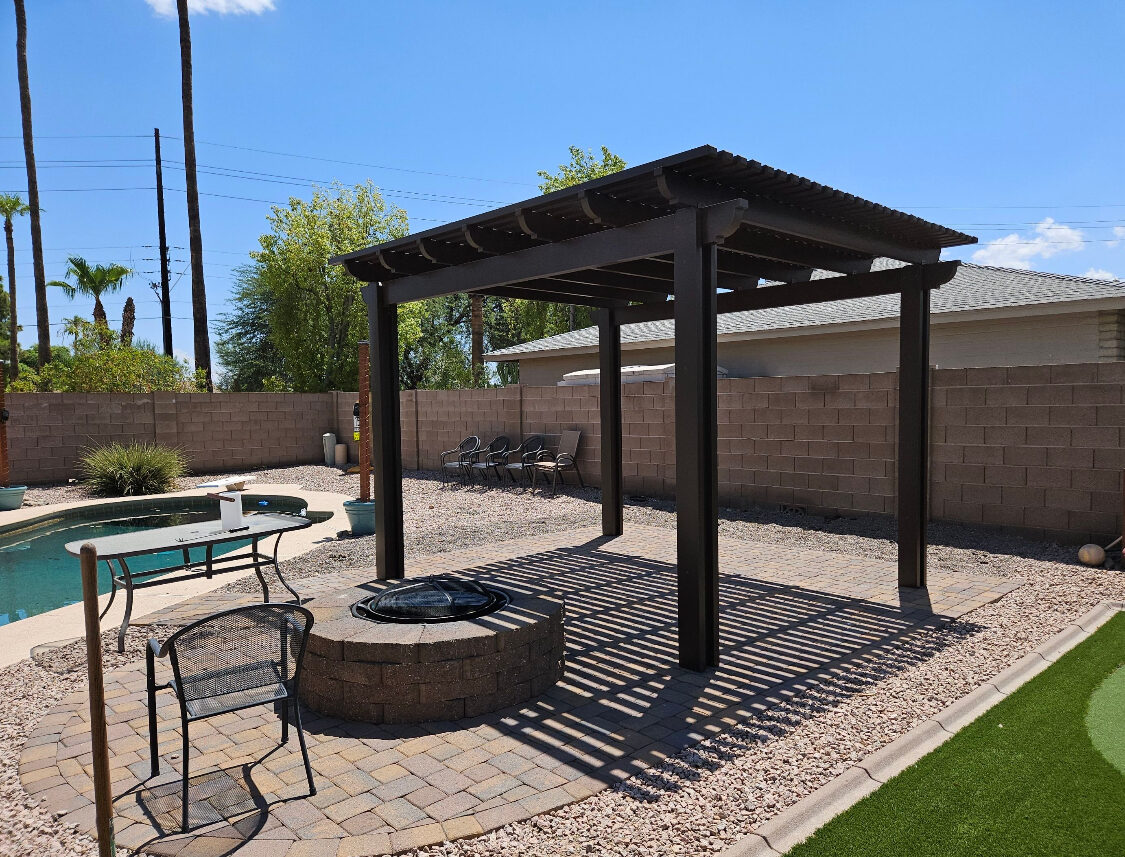
When summer temperatures in Arizona regularly climb past 115 degrees, choosing the best pavers for hot climates isn't just about aesthetics. It's about creating outdoor surfaces that won't burn bare feet or become too uncomfortable to enjoy.
Why Heat Resistance Matters for Arizona Pavers
Arizona's extreme heat creates unique challenges for outdoor materials. Surface temperature on dark materials can reach 150 degrees or higher during summer months. Heat buildup affects more than just comfort -- materials that trap heat deteriorate faster under harsh weather conditions.
The solution lies in choosing pavers designed specifically to withstand high temperatures while minimizing heat absorption. Heat-resistant materials reflect sunlight rather than absorbing it.
Best Pavers for Hot Climates: Top Material Options
Travertine Pavers: Natural Coolness
Travertine pavers are the gold standard for staying cool underfoot in hot regions. This natural stone features a porous structure that doesn't retain heat like concrete. The material's light color naturally reflects heat rather than absorbing it. Even during Arizona's hottest days, travertine remains comfortable for bare feet.
Porcelain Pavers: Modern Heat Resistance
Porcelain pavers represent the newest advancement in heat-resistant materials. These engineered pavers can withstand extreme temperatures while staying remarkably cool underfoot. Light-colored porcelain pavers keep surface temperature lower than concrete pavers or darker alternatives.
Concrete Pavers: Versatile and Heat-Smart
Light gray and other light-colored concrete pavers reflect sunlight effectively. Modern concrete formulations include heat-resistant additives that reduce surface temperature. The key to success is color selection -- light-colored pavers with reflective coatings stay much cooler.
Limestone Pavers: Classic Heat Performance
Limestone pavers combine natural beauty with solid heat resistance. The stone withstands extreme weather conditions including intense heat, monsoon rains, and occasional freeze-thaw cycles in higher elevations.
Key Features That Keep Pavers Cool
Color Selection and Heat Reflection
Light-colored pavers reflect sunlight and solar radiation rather than absorbing it. Studies show light-colored surfaces can be 20-30 degrees cooler than dark ones. The best color choices include light gray, beige and cream tones, white or off-white, and pale tan shades.
Texture and Surface Treatment
Surface texture influences both heat perception and safety. Smooth surfaces feel hotter than textured ones, even at identical temperatures. Texture creates small air pockets that insulate feet from direct contact with hot material.
Proper Installation for Heat Management
Professional installation ensures adequate drainage systems that prevent water pooling. The base layer affects heat performance too -- crushed stone bases allow air circulation that helps dissipate heat.
Pool Decks and High-Heat Areas
Pool decks demand special attention when selecting paving materials. Travertine pavers excel in these applications, combining superior heat resistance with natural slip resistance. Many homeowners find that combining artificial grass and pavers for pool areas creates the perfect balance of comfort and functionality.
Maintenance in Extreme Heat
Heat-resistant pavers typically require minimal upkeep. Natural stone benefits from sealing every 2-3 years. Porcelain pavers need virtually no maintenance beyond occasional cleaning. One advantage of individual pavers over solid surfaces is repair simplicity -- if damage occurs, you can replace individual pavers without redoing entire sections.
Where We Install
Green Forever Arizona installs pavers and turf across the entire Valley. See what we build in your city: Mesa, Gilbert, Queen Creek, Chandler, and Phoenix. Every install is backed by our 16-year materials warranty (plus a 2-year labor warranty), and you can preview your own yard first with the free AI Visualizer.